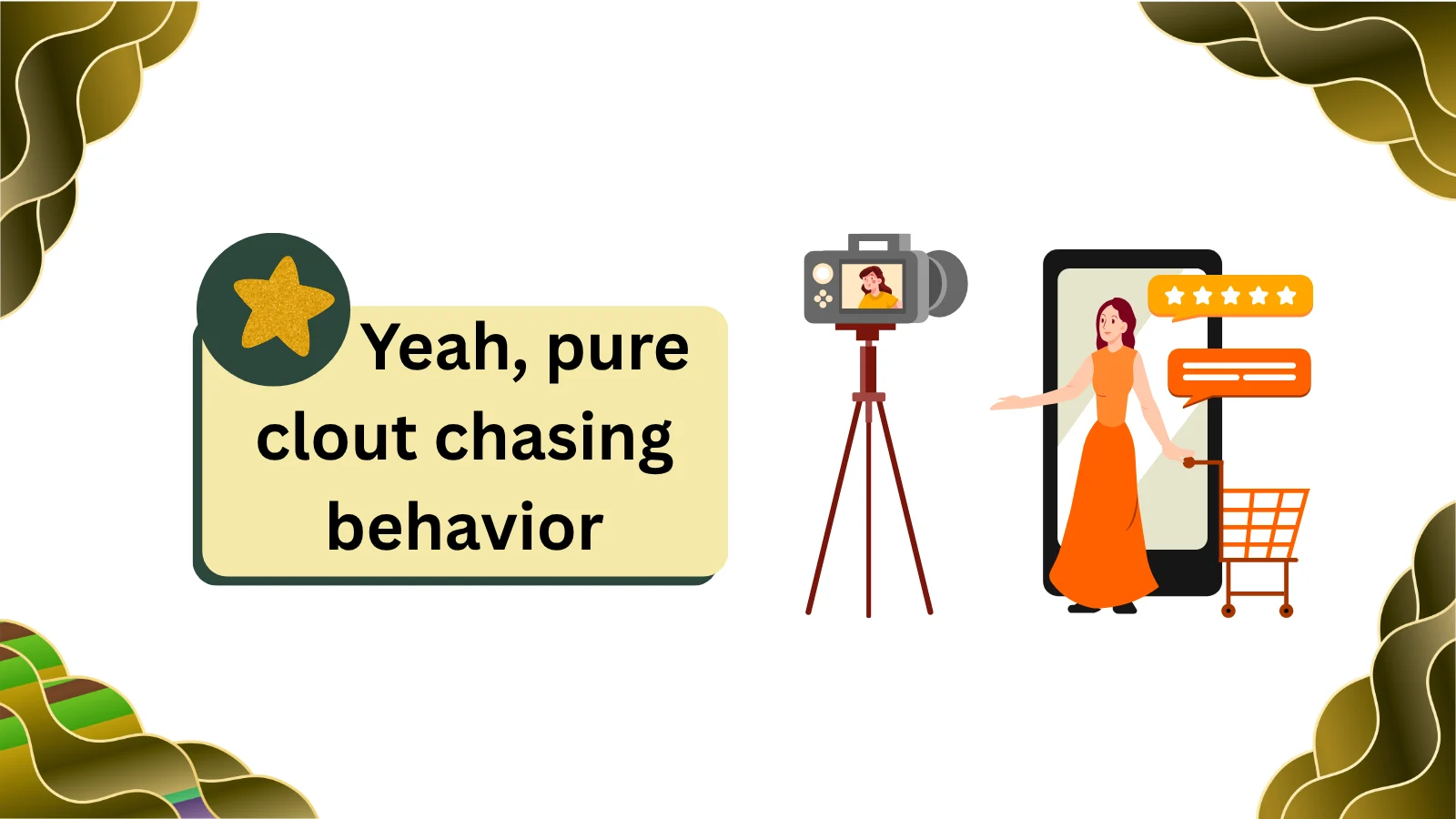
If you’ve seen someone say “they’ve got clout fr” or “doing it for clout” in texts, comments, or TikTok captions, you’re not alone.
The term clout meaning in chat has evolved far beyond its original definition and now plays a big role in online slang, influencer culture, and everyday digital conversations.
In this guide, we’ll break down what clout means in texting, its literal roots, how Gen Z uses it today, real chat examples, and how it compares to similar slang expressions.
What Does Clout Mean in Chat?
In texting slang and internet slang, clout means social influence, popularity, or online status especially the kind gained from attention, followers, or viral moments. It’s often used to describe someone seeking fame, validation, or digital recognition rather than genuine success.
Literal Meaning of Clout
Traditionally, clout means power, influence, or the ability to sway decisions especially in politics, business, or social groups.
The word comes from old English roots connected to strength or impact, which later evolved to represent influence or authority. In formal contexts, it still refers to real world power or professional influence.
How Is Clout Used as Slang Online?
As internet slang, clout shifted from serious influence to digital popularity.
In Gen Z culture, it usually refers to:
• Online fame
• Social media attention
• Viral status
• Flexing popularity
• Chasing likes and views
You’ll often see it on TikTok, Instagram, Discord, Twitch, and Twitter (X).
Tone can be:
• Sarcastic
• Playful
• Critical
• Ironic
• Occasionally admiring
Common digital communication uses include:
- “They only posted that for clout.”
- “Bro got clout overnight.”
It’s a social media expression tied closely to influencer culture and viral trends.
Is Clout Commonly Used in Texting?
Yes clout is extremely common in modern texting slang.
It’s popular among:
• Gen Z
• Content creators
• Meme communities
• Online gaming chats
You’ll hear it most on:
TikTok
Instagram comments
Snapchat
Discord servers
Group chats
While millennials also use it, Gen Z has made it a core part of everyday digital language.
Examples of Clout in Text Messages
Text conversation examples
Friend 1: Did you see him start drama online again?
Friend 2: Yeah, pure clout chasing behavior 😭
—
Friend: She went viral from one video
You: That’s clout working fast fr
—
Friend: Why’d he flex that fake story?
You: For clout obviously
—
Friend: Bro suddenly famous
You: Internet clout hits different
—
Friend: They beefing again
You: All for clout 💀
Social media captions
“Accidentally got clout overnight 😳”
“Not doing it for clout, but the clout came anyway”
“Clout really changes people”
Similar Slang Words or Expressions
Fame-chasing – wanting attention or recognition
Cloud chasing – another way of saying clout chasing (slang twist)
Viral energy – getting sudden popularity
Internet famous – known mainly online
Main character moment – acting like the star for attention
Flex culture – showing off for reactions
Clout vs Similar Terms
Clout vs Fame
Fame is general popularity. Clout usually refers to online influence specifically tied to social media presence.
Clout vs Influence
Influence is broader and often professional. Clout is more casual and internet-based.
Clout vs Virality
Virality is a moment of attention. Clout is ongoing status or reputation from that attention.
Is It Formal or Informal?
Clout as slang is informal.
Use it in:
✔ Text messages
✔ Social media posts
✔ Casual conversations
✔ Online communities
Avoid it in:
✘ Academic writing
✘ Professional emails
✘ Formal communication
In business contexts, the literal meaning of clout (influence) may still appear, but not the slang version.
Frequently Asked Questions
Is clout Gen Z slang?
Yes. While the word existed before, Gen Z transformed clout into modern internet slang tied to social media fame, viral moments, and online influence. It’s now a core part of youth digital culture.
Is clout trending on TikTok?
Absolutely. Clout is widely used in TikTok captions, comments, and audio trends. It’s often paired with phrases like “for clout,” “clout chasing,” or jokes about internet fame.
Can clout refer to a person?
Yes. Someone can be described as “having clout,” meaning they’re popular, influential, or respected online — usually because of followers, viral content, or social reach.
Is clout usually sarcastic?
Often, yes. Many people use clout sarcastically to mock attention-seeking behavior. However, it can also be used genuinely to acknowledge someone’s online success.
Is clout offensive?
No, clout itself isn’t offensive. But calling someone a “clout chaser” can be insulting, implying they do things only for attention rather than authenticity.
Is clout commonly used in texting?
Very commonly. It appears daily in group chats, DMs, and social media messages, especially among younger users and online communities.
Does clout only relate to social media?
Mostly, yes in slang form. But it can occasionally describe influence in gaming communities, streaming platforms, or online fandoms beyond traditional social networks.
Quick Summary
• Clout in chat means online popularity or social influence
• It’s modern texting slang rooted in internet culture
• Often used sarcastically to describe attention-seeking behavior
• Extremely common on TikTok, Instagram, and group chats
• Literal meaning refers to real world power or influence
One-sentence definition:
Clout in texting slang means having or chasing online fame, attention, or digital influence, especially through social media.
Final Thoughts
The clout meaning in chat reflects how digital culture has reshaped language around fame and influence.
What once meant serious power now describes viral moments, followers, and internet attention often with humor or sarcasm.
As social platforms continue evolving, clout remains one of the most recognizable slang terms for online status in modern texting and social media communication.
Leave a Reply