Texting and social media have created an ever evolving language, with new slang emerging almost daily.
One phrase that often pops up in online chats is “ate.”
If you’ve ever wondered what it means when someone says it in a message or caption, you’re not alone.
This guide will explain what does ate mean in text, its literal and slang usage, and how Gen Z, TikTok, and meme culture have shaped its meaning in digital communication.
What Does Ate Mean in Chat?
In texting slang, “ate” is often used metaphorically to mean someone performed extremely well or looked amazing. It’s a form of internet slang that expresses admiration, excitement, or approval. While literally a past-tense verb for consuming food, in social media and texting contexts, it takes on a figurative, high energy meaning.
It’s widely used in texting slang, social media expressions, and digital communication to celebrate someone’s style, achievement, or overall “vibe.”
Literal Meaning of Ate
Literally, ate is the past tense of the verb “eat,” meaning to consume food. Its origin comes from Old English etan, dating back centuries.
- Example: “I ate breakfast this morning.”
- Literal usage is straightforward, dictionary-style, and rarely confused in formal writing.
In texting, however, this literal meaning is usually overshadowed by its slang interpretation.
How Is Ate Used as Slang Online?
In Gen Z slang, meme culture, and TikTok trends, “ate” is used to praise, hype, or admire someone. It often implies someone has “slayed”, “killed it,” or looked exceptionally good.
- Tone: Playful, celebratory, sometimes sarcastic
- Platforms: TikTok, Instagram, Discord, Snapchat
- Semantic phrases: texting slang, social media expression, digital communication, emotional slang, figurative meaning
Example context: Someone posts a dramatic outfit pic and friends comment, “You ate in this fit!” meaning they look amazing or totally nailed the look.
Is Ate Commonly Used in Texting?
Yes, but it’s more common among younger audiences, especially Gen Z and Zoomers active on social media. While it has gained mainstream recognition online, it’s still rare in professional or academic contexts.
- Trending on TikTok captions, Instagram comments, and Discord chats
- Often paired with emojis like 🔥, 💀, or 👏 to amplify enthusiasm
- Niche but increasingly recognized across digital communication platforms
Examples of Ate in Text Messages
Here are realistic modern examples of “ate” in digital conversation:
- Snapchat chat:
- Friend 1: “Just finished my outfit for the party 😎”
- Friend 2: “Girl, you ate 🔥🔥”
- TikTok comment:
- Video: Dance challenge
- Comment: “Bro literally ate that routine 👏💀”
- Instagram DM:
- Friend: “New profile pic, thoughts?”
- Response: “You ate! Absolute queen 👑”
- Discord chat:
- Friend: “Check my art sketch”
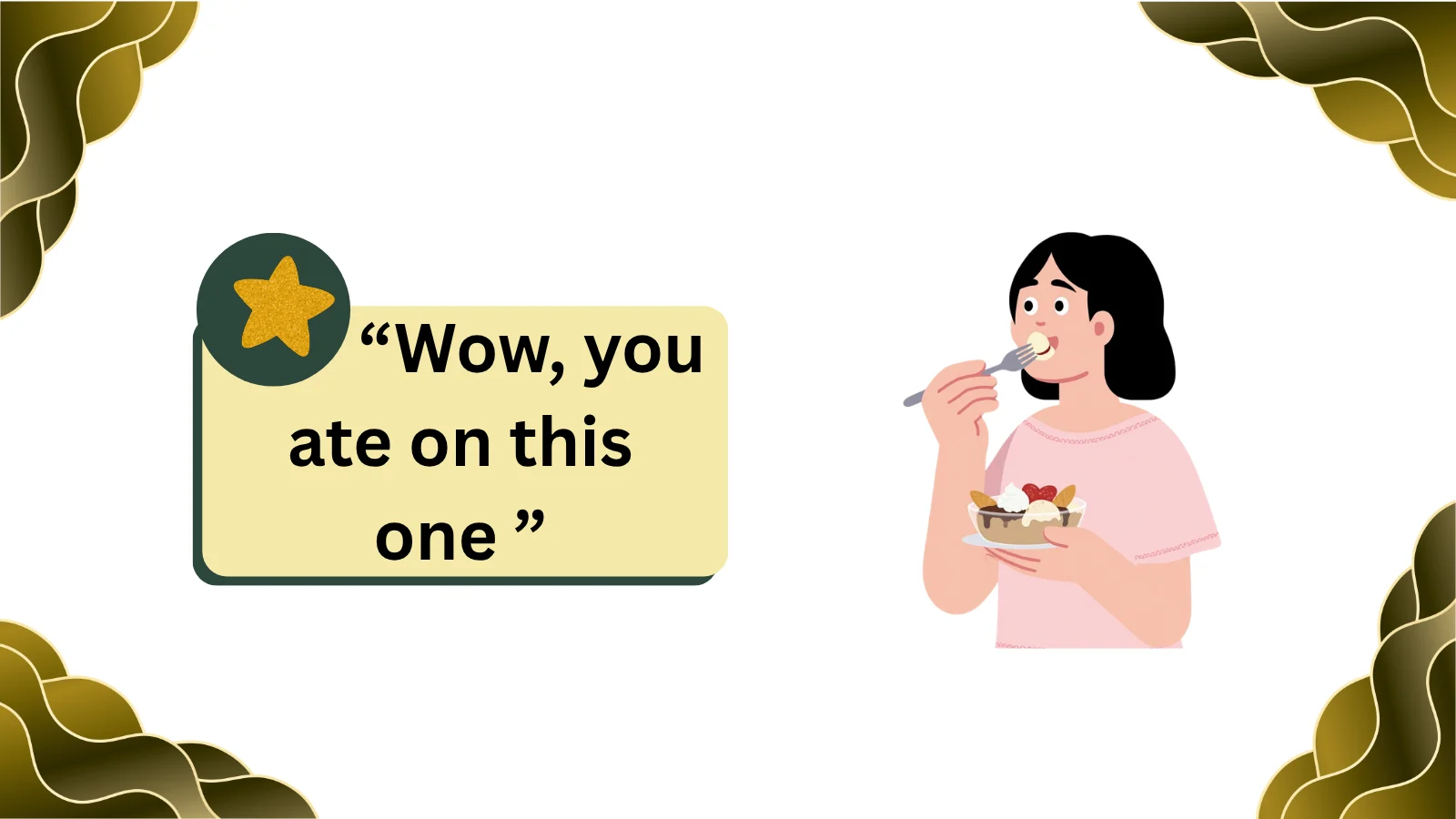
- Reply: “Wow, you ate on this one 🎨”
- Group text:
- Person: “Just aced my exam!”
- Friend: “Yesss, you ate that test 😎”
- Social media caption:
- “New album out and she ate every track 🔥 #SlayQueen”
Similar Slang Words or Expressions
- Slay – To perform or look exceptionally well
- Killed it – To succeed impressively
- Flexed – To show off confidently
- Served – To display style or skill at its peak
- On point – Accurate, stylish, or perfect
These words all share a celebratory or hype tone, commonly used in texting slang, emotional slang, and digital communication.
Ate vs Similar Terms
- Ate vs Slay – “Slay” emphasizes skill or style, while “ate” is more casual and flexible in expressing admiration.
- Ate vs Coping Mechanism – “Ate” is celebratory; a coping mechanism is functional, not expressive.
- Ate vs Comfort Item – “Ate” is social and outward-facing, while comfort items are personal and literal.
Is It Formal or Informal?
- Casual: ✅ Very common
- Professional: ❌ Rarely used
- Academic: ❌ Not appropriate
- Social Media: ✅ Extremely popular
- The term thrives in digital communication, texting slang, and social media contexts, rarely in serious writing.
Frequently Asked Questions (FAQ)
1. Is “ate” Gen Z slang?
Yes, it’s widely used by Gen Z online to hype or praise someone, especially on social media platforms.
2. Is “ate” trending on TikTok?
Absolutely. TikTok has accelerated its popularity in captions, comments, and viral memes.
3. Can “ate” refer to a person?
Indirectly, yes. It praises a person’s style, performance, or appearance, rather than describing them literally.
4. Is “ate” sarcastic?
Sometimes. While mostly positive, it can be playful or ironic depending on context and emojis.
5. Is it offensive?
No, it’s generally complimentary. Tone and context determine interpretation.
6. Is “ate” commonly used in texting?
Yes, especially among younger audiences on Snapchat, Discord, and Instagram DMs.
7. Can “ate” be used in professional emails?
No. It’s informal, celebratory slang best reserved for social media or casual chats.
8. What does “ate” mean in memes?
It conveys excellence, hype, or admiration, often exaggerated for comedic effect.
Quick Summary
- Definition: “Ate” literally means “consumed food,” but in texting slang, it expresses admiration or hype.
- Usage: Casual, celebratory, often humorous; common in social media expressions and digital communication.
- Platforms: TikTok, Instagram, Discord, Snapchat.
- Related terms: Slay, killed it, flexed, served, on point.
One-Sentence Takeaway:
In modern texting, “ate” celebrates someone’s skill, style, or vibe, turning a simple past-tense verb into high-energy slang.
Final Thoughts:
Language online evolves fast, and slang like “ate” shows how words can shift from literal to figurative in digital culture.
Whether you’re texting friends, posting on TikTok, or commenting on Instagram, knowing what does ate mean in text helps you stay in tune with Gen Z and social media trends.
Use it to hype, celebrate, and engage authentically in your digital conversations.
Leave a Reply