In today’s digital world, slang evolves at lightning speed, especially in texting, social media, and online communities.
One term you might encounter is “valid”.
While its literal meaning is straightforward, its slang usage has grown into a nuanced expression in chats, TikTok captions, and meme culture.
In this guide, we’ll explore what “valid” means in texting slang, how Gen Z and online communities use it, examples in real conversations, and related expressions.
What Does Valid Mean in Chat?
In texting slang, “valid” is a term used to show agreement, approval, or recognition that something makes sense or is justified. It’s commonly used in internet slang and social media conversations to validate feelings, opinions, or actions. Unlike its literal use, in online chats it often carries a casual, affirming tone rather than formal confirmation.
Literal Meaning of Valid
The word “valid” originates from Latin validus, meaning strong or effective. Traditionally, it refers to something that is legally acceptable, logically sound, or well-founded. Dictionary definitions emphasize authenticity, legality, or factual correctness. In slang, this literal sense is still present but applied more emotionally or socially than legally.
How Is Valid Used as Slang Online?
Online, “valid” is a figurative, emotional slang term often used by Gen Z, meme creators, and digital communities to show support or agreement. For example, it appears in:
- TikTok comments: “That take is so valid 🫶”
- Discord chats: “Honestly, your feelings are valid.”
- Twitter/X threads: “This energy? Entirely valid.”
The tone can be supportive, humorous, ironic, or empathetic, depending on context. It’s a social media expression that signals recognition without needing formal validation. Semantic variations include texting slang, digital communication approval, and emotional acknowledgment.
Is Valid Commonly Used in Texting?
Yes, but its frequency depends on the platform. “Valid” is trending on social media like TikTok, Instagram, and Discord, especially among younger audiences. In SMS or iMessage, it’s less common but still understood in casual conversations. Its use is mostly informal, emotional, and empathetic, making it popular in digital communication but rare in professional writing.
Examples of Valid in Text Messages
Here are some modern 2026-style texting examples:
- Friend Chat:
- A: “I don’t wanna go out tonight.”
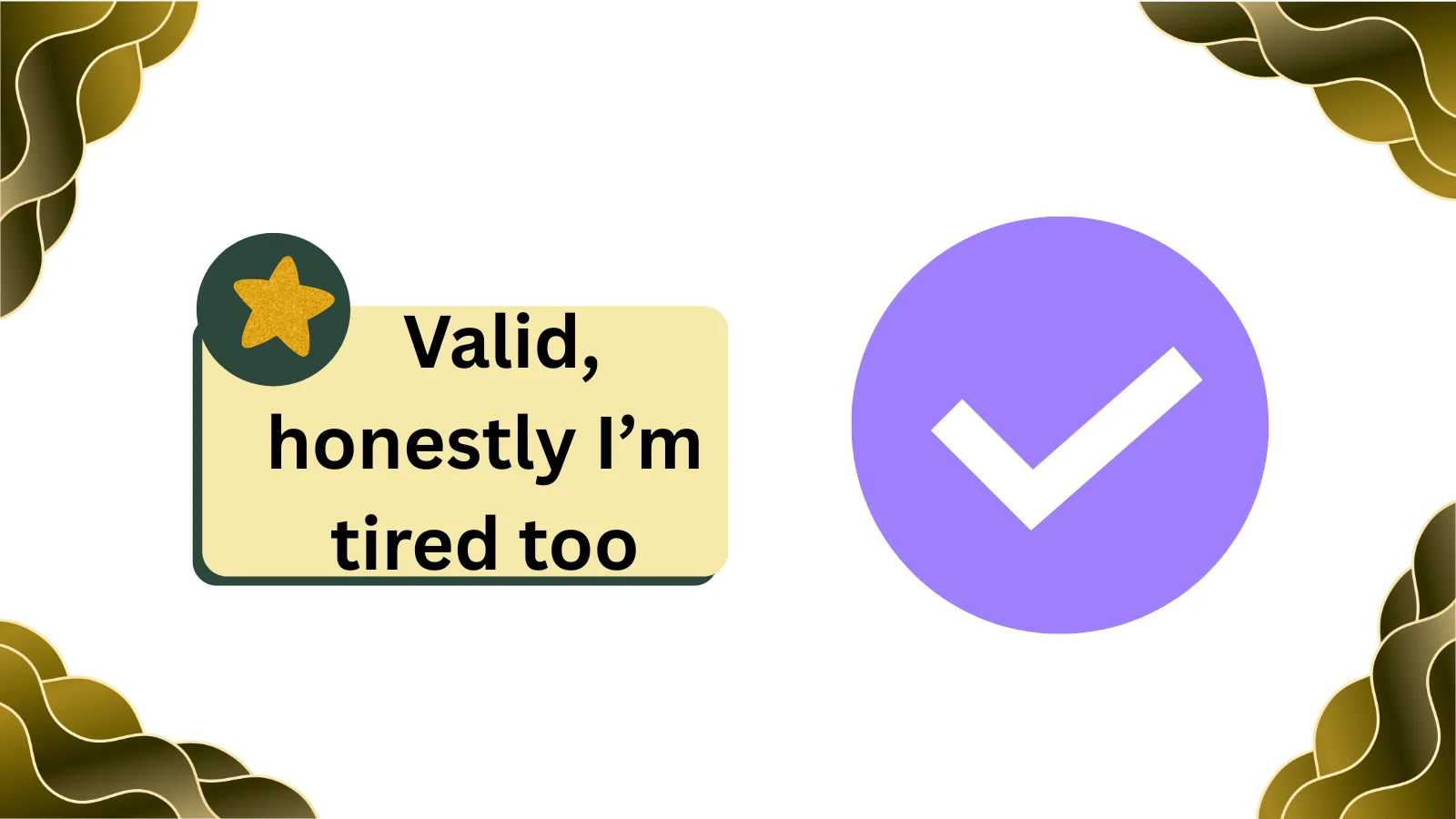
- B: “Valid, honestly I’m tired too 😴”
- Discord Server:
- User1: “I hate pineapple on pizza.”
- User2: “Valid lol 🍕😂”
- TikTok Comment:
- “Me explaining why Mondays are cursed: valid 😭”
- Instagram DM:
- “Your self-care routine is valid, keep doing you 💖”
- Snapchat Chat:
- A: “I just need a mental health day.”
- B: “Valid. Everyone deserves that 🫂”
- Meme Caption:
- “When you cancel plans to nap: totally valid.”
- Twitter/X Reply:
- “Your feelings about group projects? 100% valid.”
Similar Slang Words or Expressions
If you like “valid”, you might also see:
- Mood – expresses strong agreement or relatability.
- Facts – confirms the truth of a statement.
- Legit – emphasizes authenticity or correctness.
- Based – signals agreement with unapologetic confidence.
- Relatable – signals that an experience or feeling is understood.
These all serve as digital communication affirmations and emotional acknowledgments in texting slang.
Valid vs Similar Terms
- Valid vs Mood: Valid validates a statement or feeling; mood shows personal relatability.
- Valid vs Legit: Valid is more emotional and empathetic; legit emphasizes authenticity or accuracy.
- Valid vs Based: Valid is gentle agreement; based often carries a confident, bold tone.
Is It Formal or Informal?
“Valid” is informal and almost exclusively used in casual or digital contexts. You’ll find it in:
- Texting slang
- Social media posts and captions
- Chat apps like Discord, Snapchat, and iMessage
It’s not suitable for academic, professional, or formal writing, though it works perfectly in friendly or online community settings.
Frequently Asked Questions (FAQ)
Is valid Gen Z slang?
Yes, it’s widely used among Gen Z to show agreement, approval, or empathy in chats, social media, and online threads.
Is valid trending on TikTok?
Absolutely. TikTok creators often use “valid” in captions and comments to affirm opinions or relatable situations.
Can valid refer to a person?
Yes, you might hear someone say, “You’re valid,” to recognize a person’s feelings, choices, or authenticity.
Is valid sarcastic?
It can be, depending on context. Emojis, tone, or phrasing often indicate humor, irony, or sarcasm.
Is valid offensive?
No, it’s generally positive, supportive, and non-offensive in modern digital communication.
Is valid commonly used in texting?
It’s common in casual texting, especially among younger audiences or within friend groups familiar with internet slang.
Does valid have a literal meaning?
Yes, its literal sense is correctness or legality, but online slang emphasizes emotional or social validation.
Quick Summary
- Definition: “Valid” affirms, agrees with, or supports a statement, feeling, or action.
- Literal vs Slang: Literal = logically correct; slang = emotionally or socially justified.
- Common Platforms: TikTok, Discord, Instagram, iMessage.
- Tone: Casual, supportive, occasionally ironic.
- Related Expressions: Mood, legit, based, relatable.
Final Thoughts:
“Valid” is a versatile, positive, and widely recognized internet slang term in 2026.
It bridges literal correctness with emotional validation, making it perfect for texting, social media, and digital communication.
Next time someone sends a relatable opinion or feeling, responding with “valid” is the ultimate modern way to say, “I get you.”
Leave a Reply