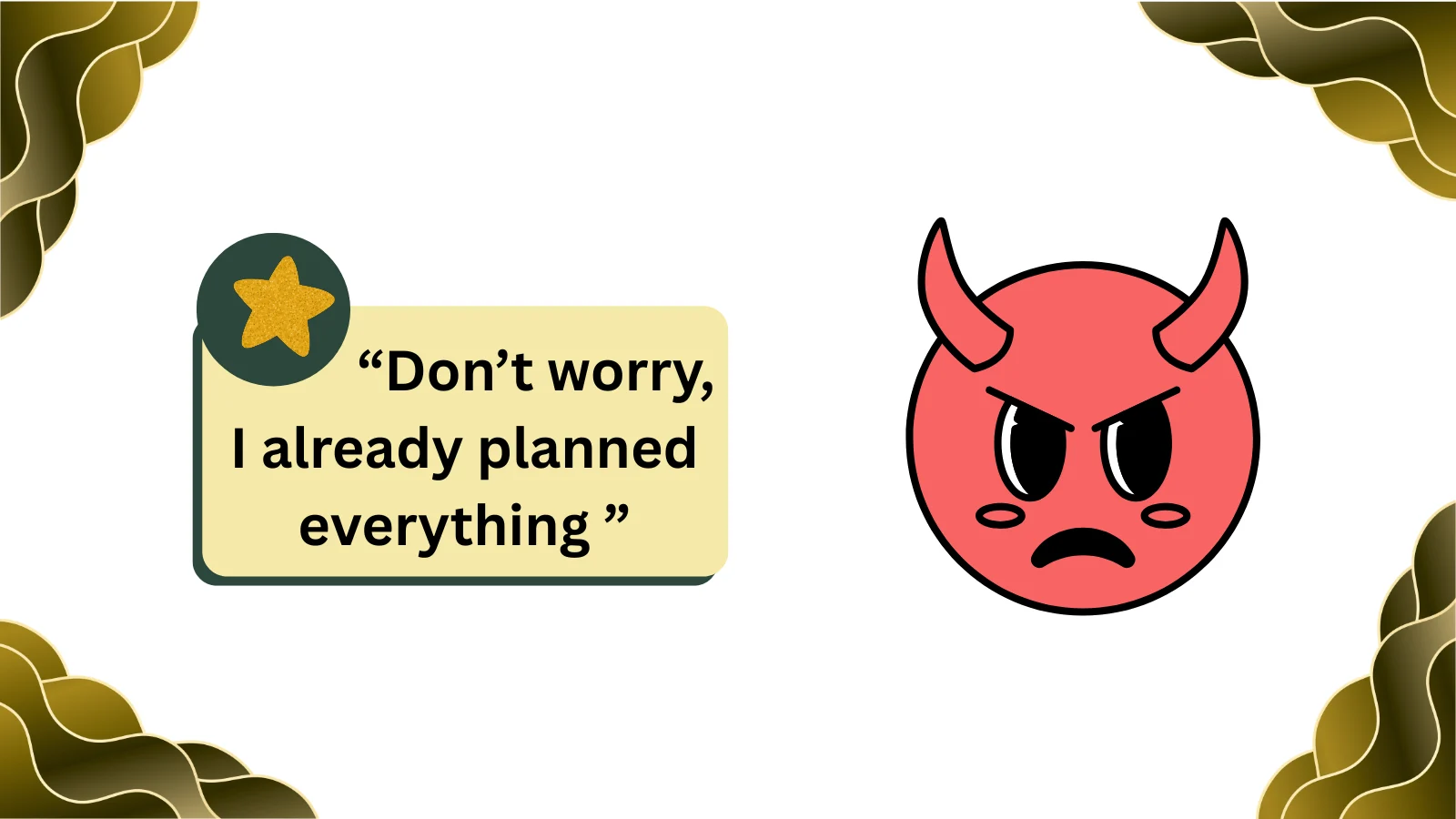
The devil emoji meaning in text has evolved far beyond its literal appearance. In modern texting slang, social media captions, and online chats, this emoji is rarely about religion or evil.
Instead, it’s a playful, sarcastic, or mischievous symbol used to convey attitude, humor, confidence, or teasing intent.
In this guide, we’ll break down what the devil emoji means in chat, how Gen Z uses it across platforms like TikTok and Discord, and when its tone is flirtatious, ironic, or bold in digital communication.
What Does Devil Emoji Mean in Chat?
The devil emoji meaning in chat usually represents mischievous intent, playful troublemaking, sarcasm, or confident attitude. In texting slang and internet slang, it’s a metaphorical symbol rather than a literal one, often used to suggest “I know what I’m doing” energy, cheeky humor, or slightly rebellious vibes in digital conversations.
Literal Meaning of Devil Emoji
Literally, the devil emoji depicts a stylized devil face, typically purple or red, with horns and a mischievous expression. Traditionally, the devil symbolizes temptation, mischief, or wrongdoing in religious and cultural contexts. However, in digital communication, its meaning has shifted significantly away from its original symbolic roots and is rarely interpreted in a serious or religious sense.
How Is Devil Emoji Used as Slang Online?
As slang, the devil emoji functions as a social media expression rather than a literal symbol. Gen Z and younger millennials use it to convey irony, confidence, teasing, or playful chaos. On platforms like TikTok, Snapchat, Discord, and Instagram, it often signals that someone is being knowingly mischievous or humorously bold.
It can express:
- Sarcastic confidence
- Flirty or teasing intent
- Playful rebellion
- “I did something wild” energy
In emotional slang, it often softens statements that might otherwise sound aggressive, turning them into jokes or exaggerated humor.
Is Devil Emoji Commonly Used in Texting?
Yes, the devil emoji is fairly common in casual texting, especially among Gen Z users. While it’s not an everyday emoji like 😂 or ❤️, it appears frequently in ironic, humorous, or confident messages. It’s most popular on TikTok comments, Snapchat chats, Discord servers, and informal Instagram captions rather than professional or formal messaging platforms.
Examples of Devil Emoji in Text Messages
Texting examples:
- “I ate the last slice 😈”
- “Don’t worry, I already planned everything 😈”
- “I might’ve skipped the meeting 😈”
- “Trust me… I’ve got this 😈”
- “That was absolutely intentional 😈”
Short chat-style conversation:
A: “Did you really post that?”
B: “Yep 😈 no regrets”
Social media caption examples:
- “Feeling dangerous today 😈”
- “Unapologetic mood 😈”
- “A little chaos never hurts 😈”
These examples show how the emoji signals tone more than literal meaning.
Similar Slang Words or Expressions
Several slang expressions convey a similar emotional or tonal meaning as the devil emoji:
- 😏 Smirking Face – playful confidence or flirtation
- 🔥 Fire Emoji – boldness or hype
- 💀 Skull Emoji – ironic humor or exaggeration
- 😎 Sunglasses Emoji – confident or unbothered attitude
- “Unhinged” – chaotic but humorous behavior
Each overlaps with the devil emoji’s mischievous or confident internet meaning.
Devil Emoji vs Similar Terms
Devil Emoji vs Smirk Emoji 😏
The smirk emoji leans more flirtatious, while the devil emoji emphasizes mischief or intentional chaos.
Devil Emoji vs Fire Emoji 🔥
Fire highlights excitement or hype, while the devil emoji implies playful rule-breaking or cheeky intent.
Devil Emoji vs Skull Emoji 💀
The skull emoji is more ironic or exaggerated, while the devil emoji suggests confidence and awareness.
Is It Formal or Informal?
The devil emoji is strictly informal.
- Casual texting: Common and appropriate
- Social media: Widely accepted
- Professional communication: Not recommended
- Academic or formal writing: Inappropriate
It works best in relaxed digital communication where tone and humor are expected.
Frequently Asked Questions (FAQ Section)
Is devil emoji Gen Z slang?
Yes. While older users may recognize it, the devil emoji is most actively used by Gen Z as part of modern texting slang and meme culture. Its meaning relies heavily on irony, humor, and tone, which aligns with Gen Z digital communication habits.
Is devil emoji trending on TikTok?
The devil emoji frequently appears in TikTok captions and comments, especially in videos showcasing confidence, chaos, or “villain era” humor. While not a trend itself, it complements trending tones and meme formats.
Can devil emoji refer to a person?
Yes. In context, it can describe someone as mischievous, confident, or playfully rebellious. It’s usually affectionate or humorous, not insulting, depending on the conversation tone.
Is devil emoji sarcastic?
Often, yes. The emoji commonly signals sarcasm, irony, or exaggerated confidence. It helps clarify that a statement isn’t meant to be taken seriously or literally.
Is devil emoji offensive?
Generally no. In modern internet slang, it’s rarely offensive and is mostly playful. However, context matters, and some audiences may interpret it differently depending on cultural or personal beliefs.
Is devil emoji commonly used in texting?
It’s moderately common in casual texting, especially among younger users. While not an everyday emoji, it’s familiar and widely understood in informal chats.
Quick Summary
- Devil emoji meaning in text: Playful mischief, confidence, sarcasm
- Literal meaning: Stylized devil symbol
- Slang meaning: Figurative, ironic, humorous
- Common platforms: TikTok, Snapchat, Discord, Instagram
- Formality level: Informal only
One-sentence definition:
The devil emoji in texting slang represents playful mischief, confident humor, or sarcastic intent rather than anything literal or evil.
Final Thoughts
The devil emoji meaning in chat reflects how digital language evolves beyond symbols into tone markers.
In 2026, it’s less about being “bad” and more about signaling confidence, irony, or cheeky awareness.
Used correctly, it adds personality and clarity to messages but like all internet slang, context is everything. 😈✨
Leave a Reply