If you’ve seen someone reply with “facts” in a text, comment, or group chat and wondered what it actually means, you’re not alone.
The phrase has evolved far beyond its dictionary definition.
In modern texting, slang, and social media culture, facts has become a powerful internet expression used to show agreement, emphasis, or emotional validation.
This guide breaks down what does facts mean in chat, how it’s used online, and why it’s so common across digital communication platforms today.
What Does Facts Mean in Chat?
In chat and texting slang, facts is an informal expression used to strongly agree with someone or confirm that what they said is completely true. It’s part of modern internet slang and is usually metaphorical rather than literal. When someone replies “facts,” they’re emphasizing agreement, not presenting actual data or evidence.
Literal Meaning of Facts
Literally, facts refers to information that is objectively true and can be proven. The word comes from the Latin factum, meaning “something done.” In traditional usage, facts are verifiable details used in academics, journalism, and professional communication. This literal meaning still exists, but it differs greatly from how facts functions as slang in texting and social media.
How Is Facts Used as Slang Online?
As internet slang, facts has taken on a figurative meaning rooted in emphasis and emotional agreement. Instead of listing evidence, users say “facts” to signal that a statement resonates deeply or reflects a shared truth.
This usage is especially common among Gen Z, where brevity and tone matter more than formality. On platforms like TikTok, Twitter/X, Discord, Instagram comments, and group chats, facts often replaces longer responses like “I completely agree” or “that’s so true.”
The tone can vary:
- Supportive or validating
- Sarcastic or ironic
- Confident or hype-building
In digital communication, facts functions as emotional slang it communicates alignment, not logic.
Is Facts Commonly Used in Texting?
Yes, facts is very commonly used in texting and online conversations. It’s not niche or obscure it’s a mainstream slang term, especially among teens and young adults. You’ll see it most often in casual environments like group chats, comment sections, and meme replies.
It’s less common in professional messaging but extremely visible on social media platforms where fast, expressive responses dominate.
Examples of Facts in Text Messages
Here are realistic, modern examples showing how facts appears in real conversations:
Texting Examples
- “This week was exhausting.”
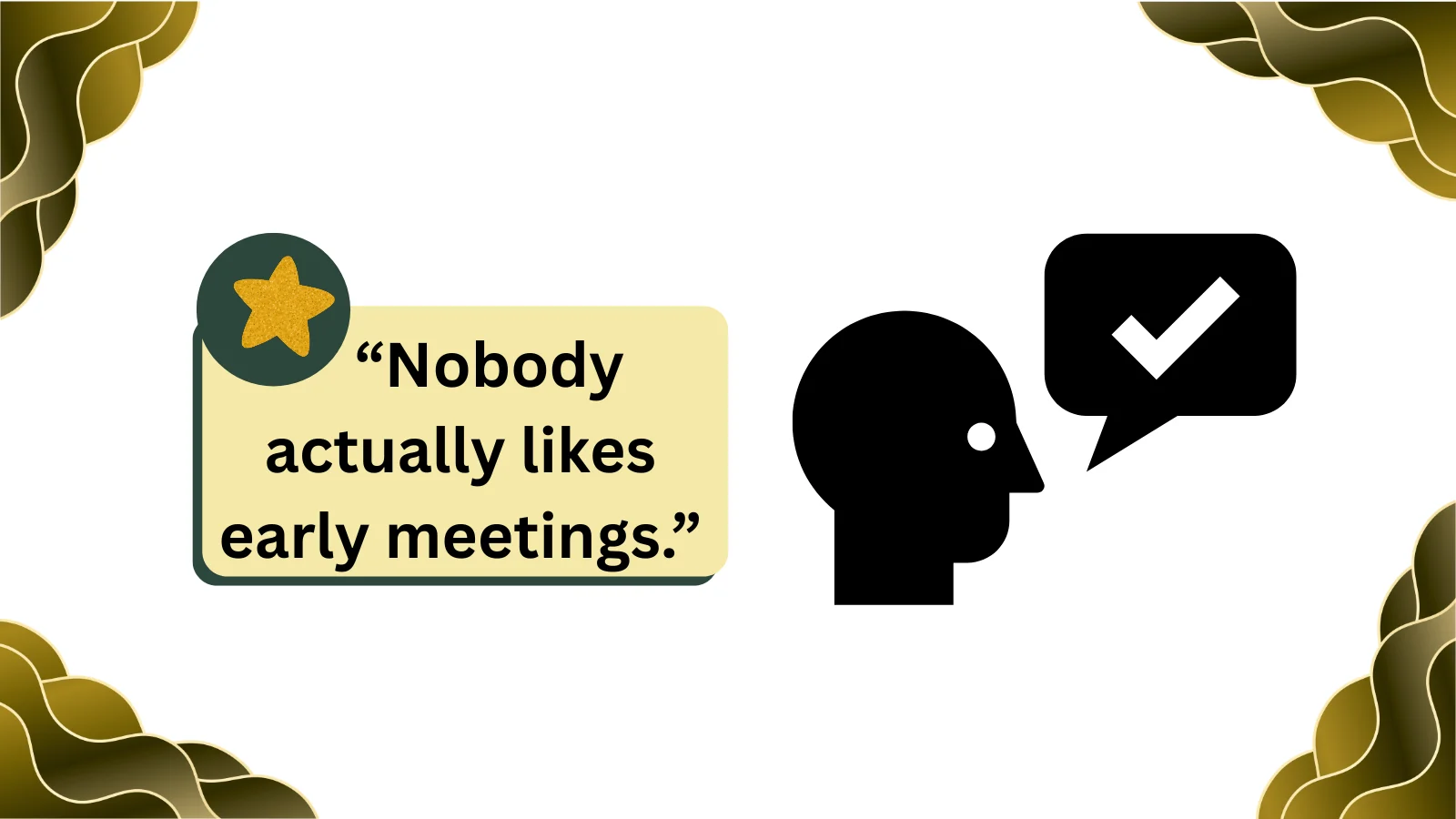
“Facts.” - “Nobody actually likes early meetings.”
“Facts 😭” - “That movie was way better than I expected.”
“Facts, it surprised me.”
Group Chat Examples
- “We need to stop overworking ourselves.”
“Facts.”
“Big facts.” - “That update ruined the app.”
“Facts, it’s unusable now.”
Social Media Caption Examples
- “Protect your peace, always.”
Comment: “Facts.” - “Sleep is underrated.”
Reply: “Facts only.”
These examples show how facts works as agreement slang rather than factual reporting.
Similar Slang Words or Expressions
Several slang terms serve a similar function to facts in digital communication:
- True – Simple agreement, less emphasis
- Big facts – Stronger, more emphatic agreement
- No lies – Confirms honesty
- Exactly – Slightly more formal agreement
- Say it louder – Emphasized validation
- Preach – Emotional agreement, often passionate
Each variation adds nuance depending on tone and context.
Facts vs Similar Terms (Comparison Section)
Facts vs True
Facts feels more expressive and modern, while true is neutral and understated. Facts carries emotional weight.
Facts vs Exactly
Exactly sounds more formal and explanatory. Facts is casual and slang-based.
Facts vs Big Facts
Big facts intensifies agreement. It’s more hype-driven and often used humorously or dramatically.
Is It Formal or Informal?
Facts as slang is firmly informal.
- Casual texting: Yes
- Social media: Very common
- Professional messages: Not appropriate
- Academic or formal writing: Avoid
In professional or academic settings, the literal meaning of facts is acceptable the slang meaning is not.
Frequently Asked Questions
Is facts Gen Z slang?
Yes, facts is strongly associated with Gen Z and younger Millennials. While older generations understand it, Gen Z uses it most frequently in texting slang and social media conversations to signal agreement or validation.
Is facts trending on TikTok?
Yes. Facts regularly appears in TikTok comments, captions, and reaction videos. It’s often used to agree with relatable content, life advice, or humor, making it a recurring part of TikTok slang culture.
Can facts refer to a person?
No. In slang usage, facts does not describe a person. It responds to a statement, opinion, or situation. Calling someone “facts” would sound unnatural and confusing in most contexts.
Is facts sarcastic?
It can be. While facts is usually sincere, it can also be used sarcastically depending on tone, emojis, or context especially in memes or ironic replies.
Is facts offensive?
No. Facts is not offensive. It’s a neutral slang expression used for agreement. However, tone matters sarcasm can change how it’s perceived.
Is facts commonly used in texting?
Yes. Facts is widely used in texting, especially in quick replies where users want to agree without typing a full sentence.
Does facts mean proof online?
No. In internet slang, facts does not require evidence. It’s symbolic agreement, not a demand for data or verification.
Quick Summary
- Facts in chat means strong agreement, not literal information
- It’s modern texting slang and internet slang
- Common among Gen Z on TikTok, Discord, and social media
- Usually metaphorical, emotional, or validating
- Informal and not suitable for professional writing
One-sentence definition:
In chat and texting slang, facts means “I strongly agree” or “that’s absolutely true,” used for emphasis rather than literal accuracy.
Final Thoughts
Language online evolves fast, and facts is a perfect example of how a traditional word can take on new meaning in digital spaces.
Understanding what does facts mean in chat helps you read tone correctly, respond naturally, and stay fluent in modern internet slang.
Whether you’re texting friends or scrolling comments, knowing this slang keeps you connected to how people actually communicate online in 2026.
Leave a Reply