In today’s fast paced texting and social media world, emojis have become a key part of digital communication.
One emoji that often raises questions is the 🤡 clown emoji.
But what does the clown emoji mean in text?
This guide breaks down its literal and slang meanings, explains how it’s used across platforms like TikTok, Discord, and Instagram, and gives real life examples to help you decode its context in chats and memes.
What Does Clown Emoji Mean in Chat?
The 🤡 clown emoji is a texting slang symbol often used to highlight foolishness, sarcasm, or self-deprecation. In internet slang, it usually conveys that someone or something is acting silly, naive, or ridiculous. While it has a literal meaning (a circus clown), its figurative use is far more common in digital communication today.
Literal Meaning of Clown Emoji
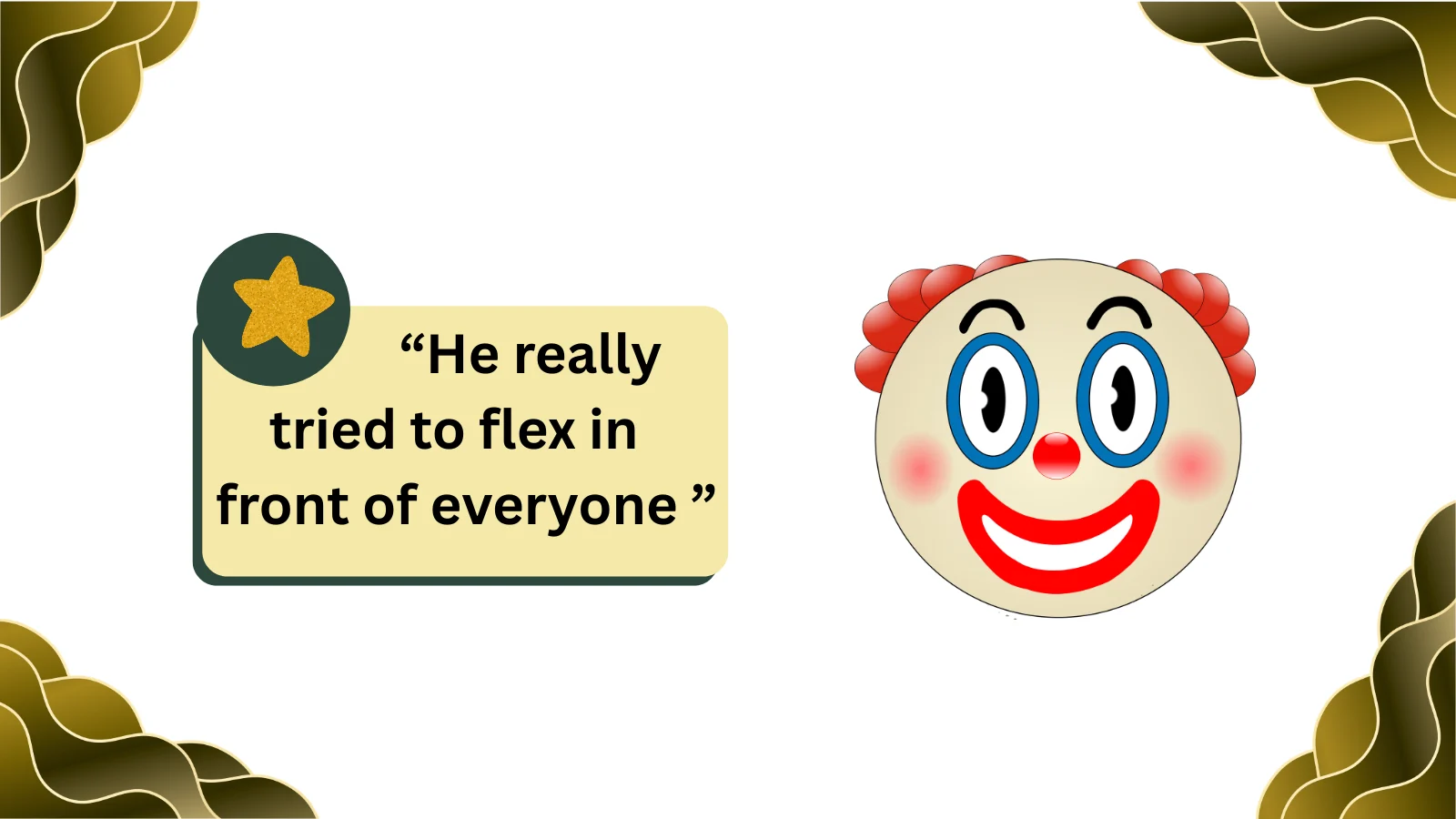
Literally, the clown emoji represents a circus clown, complete with exaggerated makeup, red nose, and colorful costume. Originating from traditional clown imagery in Western culture, it symbolizes entertainment, humor, and theatrical play. The emoji can also reflect parties, fun, or comedic acts in its direct meaning.
How Is Clown Emoji Used as Slang Online?
Online, the 🤡 emoji has evolved into a powerful tool for sarcasm and humor. Gen Z and meme culture often use it to mock behaviors, point out absurd situations, or playfully label someone’s actions as foolish. On TikTok, Discord, Instagram, and Twitter, the emoji frequently accompanies posts that are ironic or emotionally charged.
Examples of its figurative uses include:
- Texting slang: Used to call out someone’s silly actions (“You really said that? 🤡”)
- Social media expression: Paired with memes to highlight ridiculous trends
- Digital communication: Conveys emotional irony, frustration, or playful self-mockery
- Emotional slang: Indicates someone feels duped, embarrassed, or foolish
Is Clown Emoji Commonly Used in Texting?
Yes, but with nuances. The clown emoji is highly popular in Gen Z texting and social media circles, especially in sarcastic or ironic contexts. It’s trending on platforms like TikTok, Instagram, Discord, and Twitter. However, its usage is mostly informal and playful—it’s rarely used in professional or academic settings. Some people also use it self-deprecatingly to describe their own mistakes or embarrassing moments.
Examples of Clown Emoji in Text Messages
Here are some realistic examples of how people use 🤡 in modern chats and posts:
- Friend chat:
- Alex: “I spent $50 on a gadget I didn’t even need 🤡”
- Sam: “Classic you 😭🤡”
- Social media caption:
- “Me thinking I could finish my assignments in one night 🤡”
- TikTok comment:
- “He really tried to flex in front of everyone 🤡😂”
- Discord chat:
- “Who thought this was a good idea? 🤡”
- Self-deprecating text:
- “Forgot my wallet at home again 🤡”
- Sarcastic reply:
- Friend: “I’ll totally be on time.”
- You: “Sure… 🤡”
These examples show how the clown emoji conveys irony, humor, and playful criticism in digital conversations.
Similar Slang Words or Expressions
The clown emoji often pairs with or substitutes phrases that express foolishness or mockery:
- Facepalm emoji (🤦): Expresses frustration or disbelief
- Lmao / LOL: Highlights humor or ridiculousness
- Big oof: Shows empathy for a silly mistake
- Crying laughing emoji (😂): Emphasizes funny failures or awkward moments
- “Mood” or “same”: Adds relatability to silly or ironic situations
Clown Emoji vs Similar Terms (Comparison Section)
- Clown Emoji vs Therapy: 🤡 points out ridiculous behavior, while therapy focuses on emotional coping.
- Clown Emoji vs Coping Mechanism: Using 🤡 is humorous commentary; coping mechanisms are serious strategies for mental health.
- Clown Emoji vs Comfort Item: Comfort items soothe or support, while 🤡 is social commentary or ironic expression.
Is Clown Emoji Formal or Informal?
The 🤡 emoji is strictly informal. It thrives in casual texting, social media captions, meme culture, and group chats. It is not suitable for professional emails, academic writing, or formal communications. Its tone is humorous, sarcastic, ironic, and sometimes self-deprecating, making it perfect for lighthearted or playful conversations.
Frequently Asked Questions (FAQ Section)
Is the clown emoji Gen Z slang?
Yes. While the literal clown concept is universal, Gen Z has popularized 🤡 as a sarcastic, ironic symbol in texting and social media memes.
Is the clown emoji trending on TikTok?
Absolutely. It appears in TikTok videos and comments to mock absurd trends, over-the-top behavior, or self-deprecating humor.
Can the clown emoji refer to a person?
Yes. Users often label someone as a “clown” to call out silly, foolish, or embarrassing behavior, usually in a joking or sarcastic way.
Is the clown emoji sarcastic?
Mostly. Its primary online use is ironic or sarcastic, highlighting ridiculousness or playful criticism in text messages and posts.
Is the clown emoji offensive?
Rarely. It’s generally humorous, but context matters. When used to insult someone personally, it could be interpreted as offensive.
Is the clown emoji commonly used in texting?
Yes. Its popularity is high among Gen Z and young adults, especially in playful, sarcastic, or meme-heavy conversations.
Does the clown emoji have a literal meaning?
Yes. Literally, it represents a circus clown, humor, and entertainment. Its figurative use, however, dominates online slang.
What platforms commonly use the clown emoji?
TikTok, Instagram, Twitter, Discord, and WhatsApp are the most common, often in humorous or ironic contexts.
Quick Summary
- Clown Emoji Meaning in Text: A symbol of foolishness, irony, sarcasm, or playful self-mockery.
- Literal vs Slang: Literally represents a circus clown; figuratively used as Gen Z texting slang.
- Usage: Informal, digital communication, social media, and group chats.
- Tone: Sarcastic, humorous, ironic, sometimes self-deprecating.
- Popularity: Highly common among Gen Z, trending online and in meme culture.
Final Thoughts:
The 🤡 clown emoji is more than a simple picture it’s a social shorthand for humor, sarcasm, and relatable folly in digital conversations.
Understanding its meaning helps you decode jokes, irony, and emotional cues in texting, social media, and online chats.
Use it wisely to add humor, clarify intent, or playfully call out ridiculous behavior.
Leave a Reply