In today’s fast moving digital world, emojis aren’t just cute images they carry layers of meaning, tone, and personality in texting and social media.
One emoji that has puzzled many is the “upside down face.” But what does it really mean in chat, and why do Gen Z, TikTokers, and meme creators love it?
This guide breaks down the literal and slang uses of the upside down face in digital communication, covering texting, social media expressions, and internet slang nuances.
What Does Upside Down Face Mean in Chat?
The upside down face emoji 🙃 in texting slang usually signals sarcasm, irony, silliness, or mild frustration. It’s a versatile internet slang tool used to soften a statement, show playful annoyance, or convey a “meh” attitude. While literal in appearance, its meaning in digital communication is mostly figurative, acting as an emotional or conversational tone indicator.
Literal Meaning of Upside Down Face
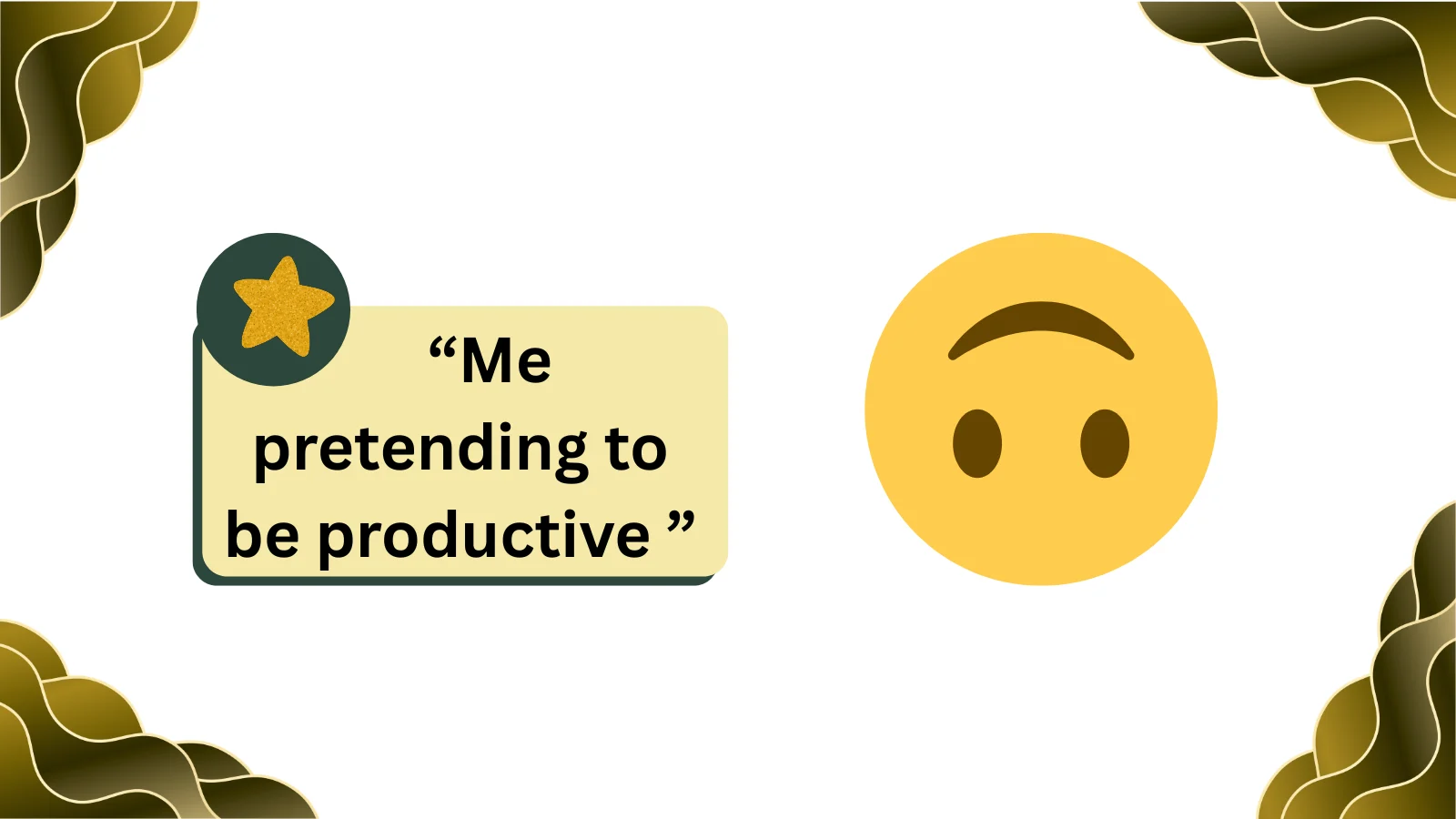
Literally, the upside down face emoji is a simple smiley turned 180 degrees. Unicode introduced it as “Upside Down Face” to represent a quirky or playful expression. Unlike standard smileys, it visually communicates a twist or reversal perfect for conveying irony or unconventional moods in digital communication. Its origin is rooted in early emoji culture, where visual experimentation became part of social media slang.
How Is Upside Down Face Used as Slang Online?
Online, the upside down face has evolved beyond its literal meaning. Gen Z and meme culture frequently use it to signal:
- Sarcasm or irony in responses
- Embarrassment or awkwardness in social situations
- Playful trolling in TikTok comments or Discord chats
- Subtle emotional signals when words alone fall short
It’s a staple in texting slang, social media expressions, and emotional slang. Its figurative meaning is flexible, adapting to humorous, ironic, or even passive aggressive contexts. Platforms like Twitter/X, TikTok, Instagram, and Discord often feature this emoji in trending memes or captioned posts.
Is Upside Down Face Commonly Used in Texting?
Yes but usage is nuanced. While not as universal as the laughing emoji 😂, it’s popular in niche circles, especially among Gen Z and meme enthusiasts. It often appears in playful, sarcastic, or ironic conversations rather than serious messages. You’ll spot it on:
- TikTok comments and video captions
- Instagram DMs and Stories
- Twitter/X threads
- Discord and online forums
It’s trendy, informal, and mostly a social media staple.
Examples of Upside Down Face in Text Messages
Here are some realistic examples of how it appears in 2026 digital communication:
- Friend: “You finished all the snacks again?”
You: “Yep 🙃” - Partner: “I guess we’re never going to clean the room…”
You: “🙃 priorities, right?” - Group Chat: “Another Monday meeting…”
You: “🙃 can’t wait 🙃” - TikTok Caption: “When your plans get canceled but you’re secretly relieved 🙃 #mood”
- Discord: “You really did submit the assignment late?”
You: “🙃 oops” - Instagram Story: “Me pretending to be productive 🙃”
- Friend: “Why are you ghosting me?”
You: “🙃 life happens”
These examples show its playful, ironic, and emotionally flexible use in text messaging and social media.
Similar Slang Words or Expressions
Other slang or emoji expressions that convey related tones include:
- 😏 Smirking Face – flirtatious or cheeky sarcasm
- 😬 Grimacing Face – awkward or embarrassed moments
- 🤷 Shrug Emoji – indifference or “whatever” vibe
- 🙃 Upside Down Face – irony, sarcasm, playful frustration
These expressions often overlap in digital communication to convey nuanced emotional slang.
Upside Down Face vs Similar Terms
- Upside Down Face vs Therapy: Therapy is serious; upside down face is ironic or playful.
- Upside Down Face vs Coping Mechanism: Emojis express mood digitally; coping mechanisms are real life strategies.
- Upside Down Face vs Comfort Item: One is symbolic in texting; the other is tangible and emotional.
This comparison clarifies that the emoji’s function is purely digital and expressive rather than literal or physical.
Is It Formal or Informal?
The upside down face emoji is strictly informal. Its use is suited for:
- Casual texting with friends or peers
- Social media captions, DMs, and comments
- Digital communication platforms like Discord, TikTok, or Instagram
It’s not suitable for professional, academic, or official correspondence. Using it outside casual spaces can appear unprofessional or confusing.
Frequently Asked Questions (FAQ)
1. Is upside down face Gen Z slang?
Yes. Gen Z popularized it online, using it to communicate irony, sarcasm, or playful frustration in texting slang and social media expressions.
2. Is upside down face trending on TikTok?
Absolutely. TikTok frequently features this emoji in viral memes, captions, and comments for humorous or ironic effects.
3. Can upside down face refer to a person?
Indirectly. It can signal someone’s mood, awkwardness, or sarcastic tone, but it doesn’t literally describe a person.
4. Is it sarcastic?
Most of the time. Its figurative meaning in texting slang often conveys irony or playful sarcasm.
5. Is it offensive?
No, it’s generally harmless. Context matters, but it’s rarely used to insult someone.
6. Is it commonly used in texting?
Yes, but mostly in informal conversations, niche communities, and social media chats.
7. Can it express emotions?
Definitely. It conveys subtle feelings like awkwardness, irony, frustration, or playful exaggeration in digital communication.
Quick Summary
- Definition: Upside down face 🙃 emoji is a versatile symbol for sarcasm, irony, or playful frustration.
- Literal vs Slang: Literal = inverted smile; Slang = figurative tone indicator in texting slang and social media expressions.
- Usage: Informal, primarily Gen Z, common on TikTok, Discord, Instagram, and Twitter/X.
- Similar Emojis: Smirking face 😏, grimacing 😬, shrug 🤷.
Final Thought:
The upside down face emoji is a perfect example of how a simple visual can carry complex emotional and conversational weight in modern digital communication.
Next time you use it, remember it’s more than a quirky smile; it’s a Gen Z approved emotional shorthand.
Leave a Reply